

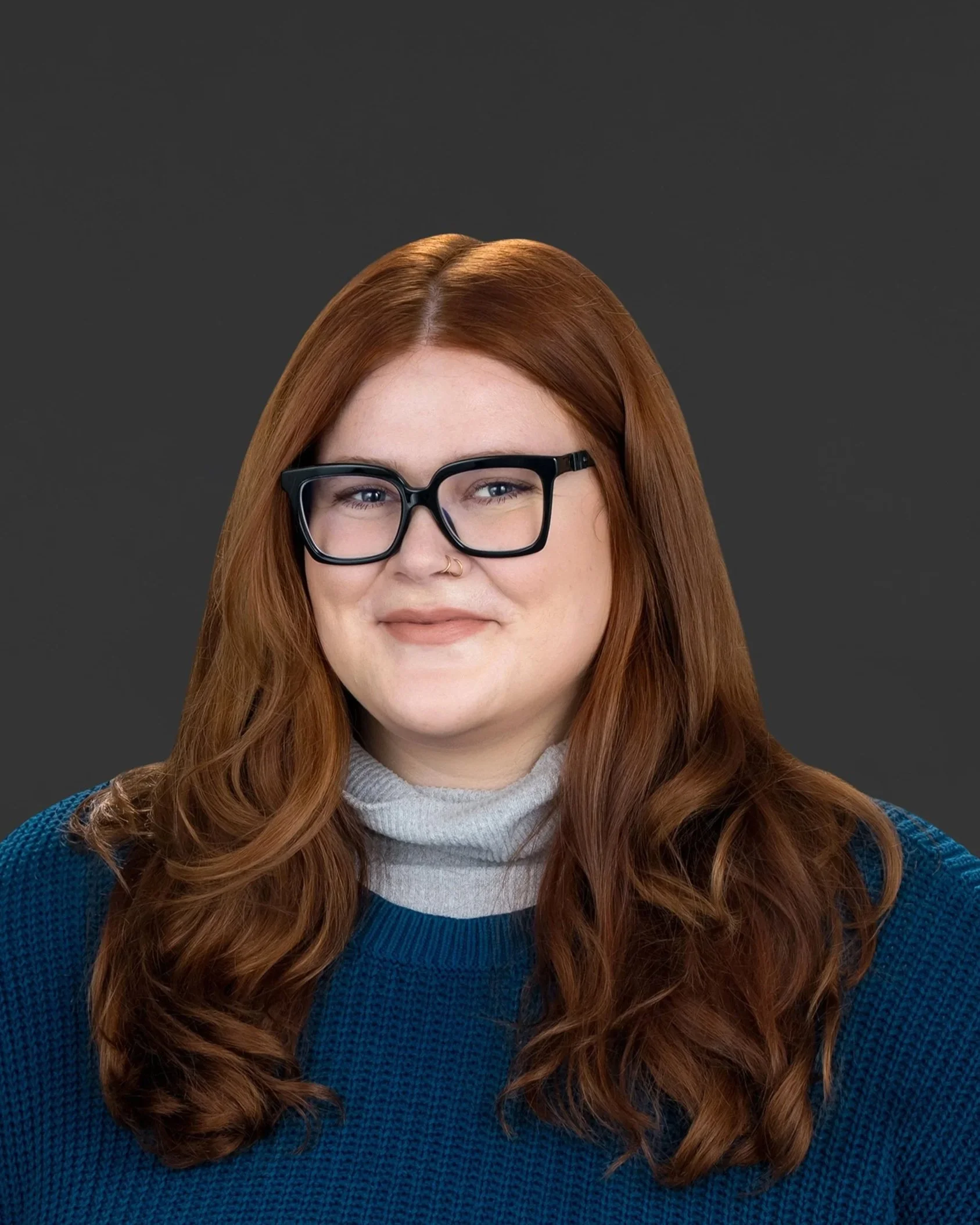
Samantha Earle M.S. LAPC
Clinical Therapist
I bring warmth, curiosity, and genuine compassion to my work with clients. I believe therapy is, first and foremost, a relationship. It is a place where you can be honest about what is happening, make sense of the patterns you find yourself in, and feel understood without having to have everything figured out first. My style is conversational, collaborative, and relational, with room for both meaningful reflection and practical support.
I work primarily with adolescents, young adults, and adults navigating eating disorders, OCD, anxiety, body image distress, perfectionism, chronic self-criticism, emotional overwhelm, and life transitions. Eating disorder treatment is a meaningful area of my clinical work. I have experience supporting clients in higher levels of care and outpatient settings, and I have a particular interest in helping people understand the function of their eating disorder while developing more flexibility, self-compassion, and trust in themselves. I also work with many clients whose struggles are not centered around food or eating, but who may feel stuck in cycles of anxiety, intrusive thoughts, perfectionism, or rigid ways of coping.
I support clients working through:
Eating disorders and disordered eating
OCD, obsessive-compulsive symptoms, and intrusive thoughts
Body image distress and a difficult relationship with food or the body
Anxiety, chronic stress, and emotional overwhelm
Perfectionism, people-pleasing, and rigid coping patterns
Chronic self-criticism and shame
Depression and mood-related concerns
Identity exploration and life transitions
Complex or co-occurring concerns
I use an integrated approach grounded in Acceptance and Commitment Therapy (ACT), Inference-Based Cognitive Behavioral Therapy (I-CBT), Dialectical Behavior Therapy (DBT), and psychodynamic therapy. Rather than approaching therapy as a one-size-fits-all process, I draw from these approaches based on the person sitting in front of me and what feels most useful for their particular needs.
A significant part of my work involves exploring the ways self-criticism, perfectionism, and shame can shape how you see yourself and move through the world. Being hard on yourself can sometimes feel like the only way to stay motivated, safe, in control, or “good enough,” even when it is no longer serving you. Together, we can get curious about where these patterns came from, what they may be trying to accomplish, and whether there are other ways of responding that feel more sustainable.
For clients struggling with eating disorders and body image, my work is explicitly HAES®-aligned and weight-inclusive. I understand eating disorders as complex ways of coping rather than personal failures. I help clients untangle internalized diet culture, challenge rigid rules and beliefs, and develop a more respectful relationship with food and their bodies without making weight, numbers, or body control the focus of treatment.
I also recognize that therapy is not just about learning skills or changing thoughts. Sometimes it is about having the experience of being known and accepted in a relationship where you do not have to perform or get everything right. I value the space between therapist and client as an important part of the work and welcome the opportunity to be curious together about what is happening beneath the surface.
My hope is that therapy becomes a place where you can better understand yourself, loosen the grip of rigid expectations, and move toward a life that feels more authentic and aligned with what you want.